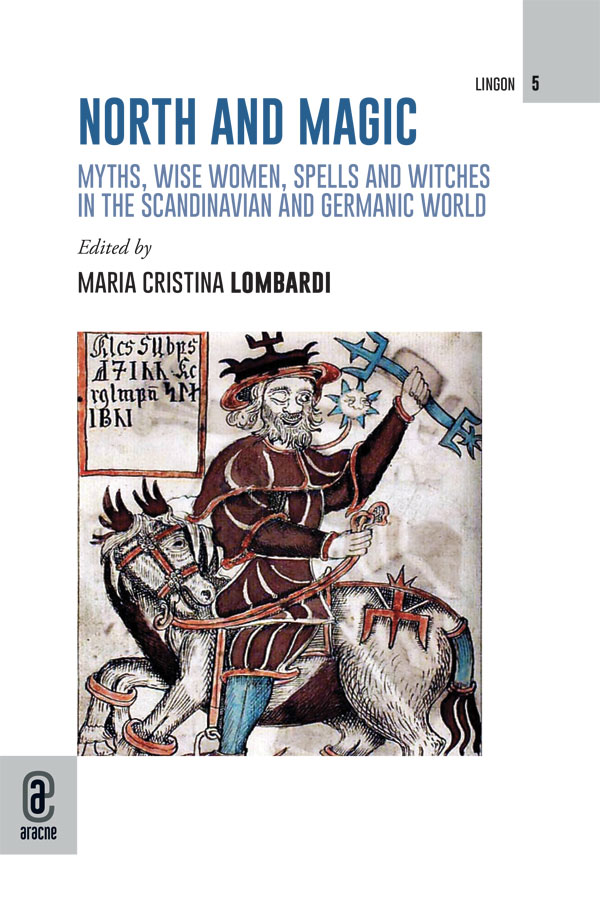
Extracted from publication North and Magic
The Role of Exceptionality in Sermons
DOI: 10.53136/979122182468110
Pages: 279-312
Publication date: February 2026
Publisher: Aracne
SSD:
L-LIN/15 L-LIN/19
This paper investigates the semantic and rhetorical construction of the extraordinary in Middle English sermons, challenging the assumption that terms such as wonder, marvel, and miracle function as interchangeable synonyms within homiletic discourse. Through a qualitative analysis of a selected corpus of sermons—with a specific focus on exempla depicting female transgression and Eucharistic sacrilege—the study demonstrates that these lexical choices operate within a highly structured rhetorical economy designed to guide moral interpretation and enforce orthodoxy. The analysis reveals a functional triad: wonder acts as an operator of reception, marking the audience’s affective and cognitive disturbance; marvel functions as a discursive operator, stabilizing exceptional events as narratable and interpretable units; and miracle serves as an operator of validation, anchoring events in explicit divine agency and theological certainty. By mapping these distinct semantic fields, the article argues that sermon literature actively reorganizes the vocabulary of the supernatural not merely to entertain, but to regulate lay perception, defend the doctrine of the Real Presence, and reinforce clerical authority against the threats of skepticism and heresy.
Keywords: Middle English Sermons, Historical Semantics, The Extraordinary (Wonder, Marvel, Miracle), Exempla, Eucharistic Doctrine